Walk down the salad dressing aisle of any Western-style supermarket, and you’ll see the usual suspects: Ranch, Caesar, Thousand Island, and Italian. These dressings are thick and heavy—designed to coat every single leaf of lettuce. Then, there’s the Japanese-style sesame dressing: thinner and more aromatic, managing to be both rich and refreshing at the same time. They are quite different—let’s look at how to use them.
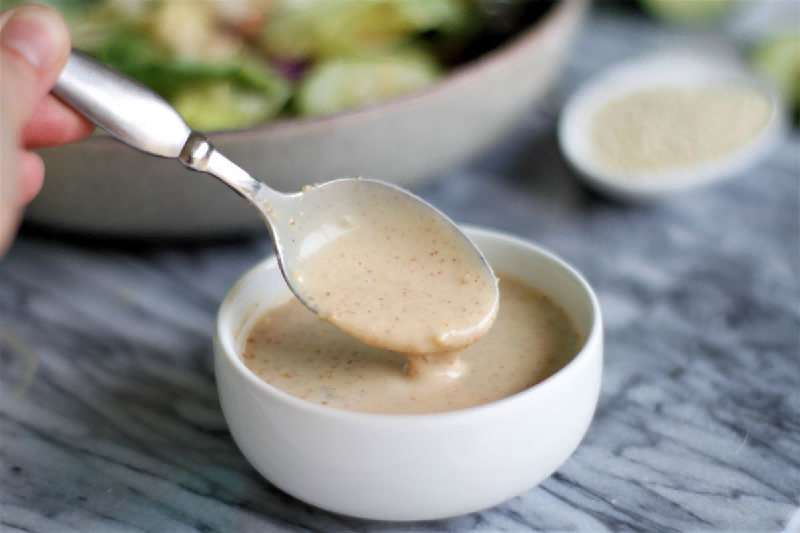
Ingredients make them distinctive. Western-style dressings feature oil, egg yolks, or a dairy product as their main ingredients. Their main purpose is to be very rich; they are composed of a mixture of ingredients thick enough to coat the lettuce, thus providing the salad with an abundance of creaminess and milkiness. Instead of having either egg yolks or dairy as their base, Japanese-style sesame dressing features a base of roasted sesame paste. They combine roasted sesame paste, soy sauce, rice vinegar, and a touch of sugar. There are some recipes out there that include some dashi (stock) or shiitake mushroom extract to add to the complexity of their flavour profile. It starts with a savoury umami flavour, then there is the aroma from the toasted sesame seeds, followed by a faint suggestion of sweetness. This dressing is not meant to smother the vegetables with a thick layer, but rather to seep into them and bring out their original taste and flavour.
“Roasted” is not just for decoration. The sesame seeds are roasted to release their warm and deep aroma before they get ground, and this is something that raw sesame seeds don’t have. This specific characteristic is what allows Japanese-style sesame dressing to have a scent similar to that of nuts that have been roasted, rather than plain sesame oil and although this may seem to be a minor detail it contributes to creating a much different flavor in your final dish.
It’s important to note that Japanese sesame dressing is quite versatile and can be used for more than just salads. Here are some examples: Cold Tofu – the most common use for this dressing! just pour it over cold tofu, sprinkle on some finely chopped green onions, and enjoy! Noodles – toss with soba, udon(Japanese wheat noodles), or just regular thin wheat noodles and serve it chilled with any shredded chicken or cucumber you like for a complete meal. - Blanched Vegetables: Spinach, green beans, or broccoli—drizzle the dressing over them after blanching; they can be served cold or at room temperature.
- Dipping sauce: This is the one I use most, honestly. Cut up whatever raw vegetables you have and let people dunk them, or pour a little over poached chicken and shrimp and call it dinner.
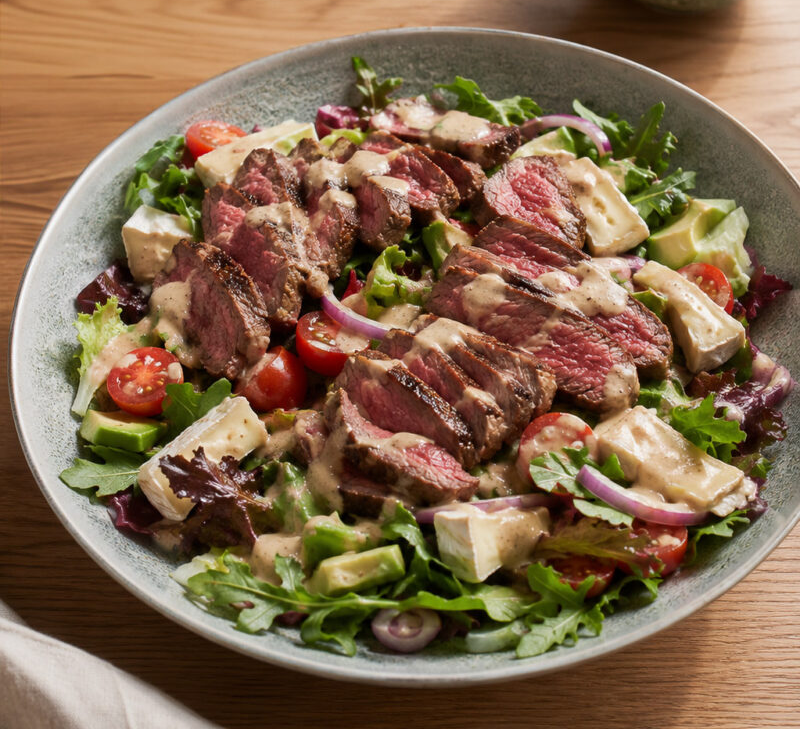
- Fish: A few drops on pan seared salmon and I was sold, didn’t see that coming. Tuna works the same way.
If you run a kitchen, this earns its place for a reason you won’t read on the bottle. One bottle covers your cold starter, a side, and you can stretch it to a light main when service gets tight. You end up ordering less, making fewer calls on the night it’s slammed, and plates go out quicker because the cook isn’t digging through the fridge for the sauce that “matches” the dish.
For whoever does the ordering, here’s what I’d actually point out. Bring in a Japanese sesame dressing and you haven’t just bought a salad thing. You’ve bought a sauce for cold tofu, a fix for a boring bowl of noodles, a dip, and a base for marinating. Same bottle, all of it.
And the practical reasons I’d put this in front of a client: you stop carrying three or four products that do overlapping jobs, so the shelf clears and the order sheet shrinks. A new cook gets it in one shift, which means fewer nights where the wrong sauce lands on a ticket. The taste doesn’t drift, so every dish that uses it tastes like it came from the same kitchen, because it did. Your menu can lean Japanese one week and Western the next, the bottle keeps up either way.
I’m not going to call it a health food, everyone slaps that label on anything green these days. But set it next to a mayo heavy dressing and the difference is immediate. More going on in the flavor, a lot less fat, and zero dairy. The customers who want to eat a bit lighter but still want the food to taste like food are the ones who reach for it.
Sesame dressing was never out to be the next ranch. It just sits there, savory with a bit of nutty behind it, and it turns up useful in more spots than you’d plan for. Any kitchen, home or working, is better off with one close by.
Contact:
Beijing Shipuller Co., Ltd.
WhatsApp: +86 136 8369 2063
Web: https://www.yumartfood.com/
Post time: Nov-11-2026