Bamboo chopsticks—also known as “convenience chopsticks” or “sanitary chopsticks”—are dining utensils made primarily from bamboo. Compared to traditional disposable wooden chopsticks, bamboo chopsticks are considered a more eco-friendly alternative due to bamboo’s renewability and short growth cycle; they are widely used in takeout, fast-food services, and various other dining settings.
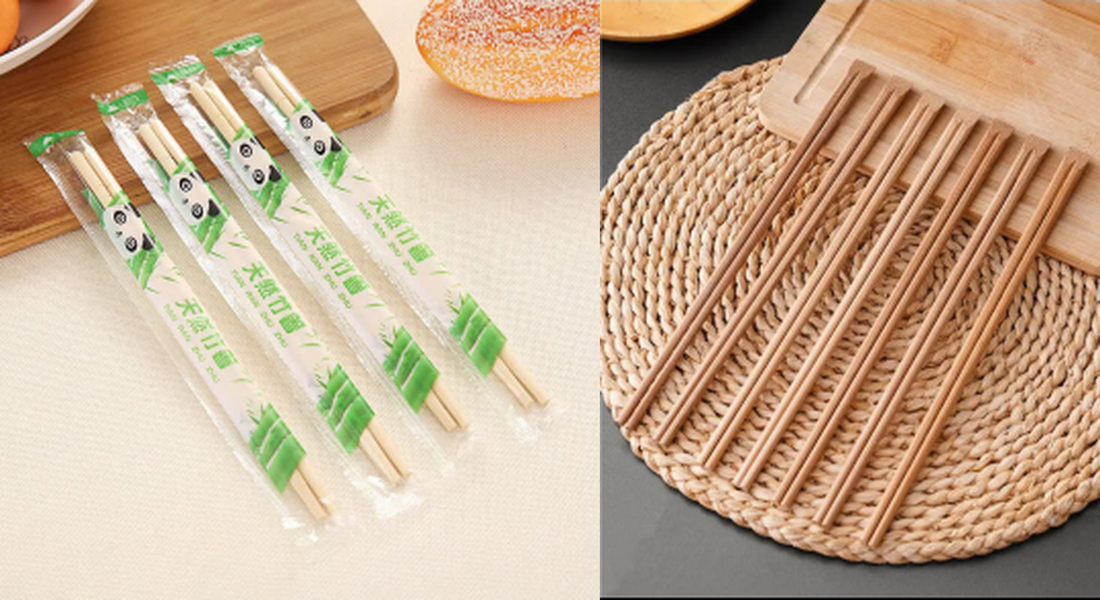
1. Raw Materials and Environmental Characteristics
Raw Material Source:Primarily made from *Phyllostachys edulis* (Moso bamboo) or *Phyllostachys heterocycla* (Nan bamboo) aged three years or older. Bamboo is a perennial grass, not a tree; it possesses exceptional regenerative capabilities, typically reaching maturity for harvesting within three years. Furthermore, new shoots sprout rapidly after harvesting, ensuring no permanent damage to forest resources.
Environmental Advantages: Bamboos rapid growth and strong carbon-sequestration capabilities mean that using bamboo chopsticks instead of wooden ones helps reduce the consumption of hardwood resources. China encourages bamboo chopstick production through policies such as export tax rebates to replace disposable wooden chopsticks and protect forestry resources.
2. Production Process and Classification
Key Processes: Involves 5–6 steps, including cutting, splitting, shaping, sanding, deburring, steaming, sterilization, and drying/disinfection. To prevent mold and maintain a clean white appearance, reputable manufacturers use food-grade sulfur fumigation or sodium metabisulfite treatment, while strictly controlling sulfur dioxide residue levels.
Common Types:
Twin Chopsticks (Connected): Two chopsticks joined together that must be snapped apart before use; commonly found in high-end dining or export products; they feature a smooth surface and no visible bamboo nodes.
Tensoge/Genroku Chopsticks: One end is tapered or shaped specifically to facilitate gripping food.
Carbonized Chopsticks: Treated via high-temperature carbonization, resulting in a darker color; they are moisture-resistant, mold-resistant, hard, and resistant to deformation. They contain no chemical bleaching agent residues, offering a higher level of safety.
3. Purchasing and Usage Recommendations
Check Appearance: Choose products with a natural color rather than an unnaturally stark white appearance. Avoid purchasing chopsticks that have black spots or mold patches on the surface, or those that appear excessively glossy (which may indicate waxing).
Smell: High-quality bamboo chopsticks should have a faint bamboo scent or be odorless. If they emit a pungent, sour, or sulfurous odor, they may be of inferior quality or contain excessive chemical residues and should be avoided.
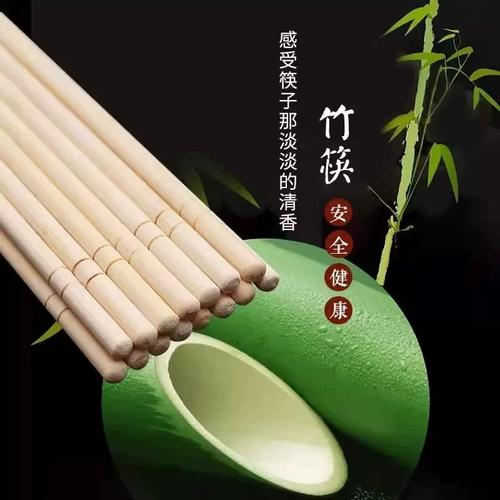
4. Industry Overview
China is the world’s largest producer and exporter of disposable bamboo chopsticks, with major production hubs located in provinces such as Jiangxi, Hunan, and Anhui. These products not only meet domestic demand but are also exported in large quantities to over 110 countries and regions, including Japan, South Korea, and Southeast Asia. Driven by technological advancements, high-quality, individually packaged, and chemical-free carbonized bamboo chopsticks are increasingly becoming the mainstream choice in the market.
Contact
Beijing Shipuller Co., Ltd
Whats App: +86 13683692063
Web: https://www.yumartfood.com/
Post time: Nov-06-2026