Visit any Chinese grocery store in Toronto, a noodle restaurant in Sydney, and a kitchen in Singapore, and I bet you will find one common thing: noodles in general are no longer just plain wheat noodles. There is a wide variety of dried colored noodles now, like green, yellow and light brown, which also contain little pieces of actual food that you can clearly see in them. This means as the Chinese culture spreads throughout the world, so too will their food culture follow. now the world is not only paying attention to how good these noodles taste, after considering the ingredients they contain too.
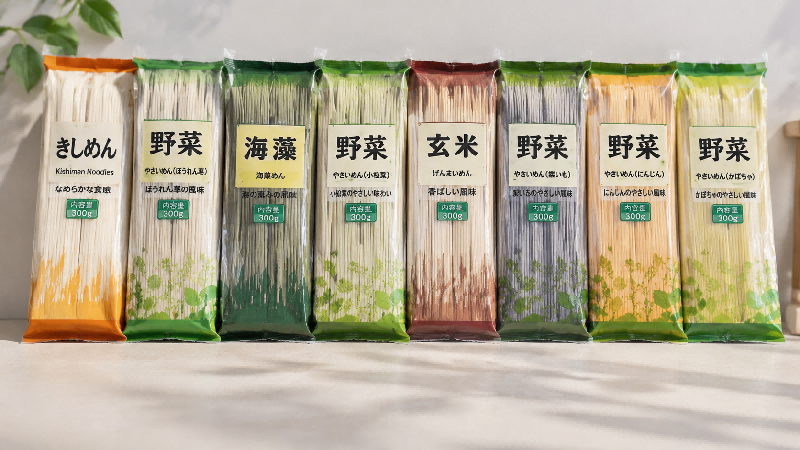
These noodles are not colored using artificial pigments nor do they have any artificial flavorings. These noodles are colored and flavored by incorporating real ingredients into the dough. currently offer these noodles on the following types; Buckwheat Noodles: These have an earthy flavour and firm texture and are very common in the northern region of China. Also preferred by Consumers focused on being Healthy. Chinese Yam Noodles: These noodles are smooth, slightly sweet, have a fragile texture, and they maintain their form in soups so they will not become mushy.
Millet noodles are not strongly flavored and are easy to digest and traditionally respected in Chinese families as they have a calming effect on people’s digestive system. Spinach noodles are very attractive in colour and colour with a fresh vegetable scent and are especially good for use with light sauces. Scallion noodles use pure scallion powder to give them a flavourful and appetite-stimulating quality, without the use of preservatives or artificial flavour enhancers. Oat bran noodles are high in fibre with a texture that is both dense and robust and they also carry an aroma which has hints of being roasted.
Each variety has its own distinct character, but they all share one thing in common: they are made with ingredients that Chinese families have trusted for generations.
In China there is an idea of food as medicine (or “shared origins of food and medicine”). This does not mean that a noodle can cure your body from fever; if consumed everyday, common used ingredients can help you nourish and supplement your body with what it might lack. Millet warms the stomach and buckwheat brings back balance. A spoonful of spinach brightens the dish and nourishes you, with a nourishing portion of Chinese yam there to help out nourish you again. These ingredients and ideas are not new to Chinese kitchens but parts of our culture and have existed for over thousands of years.
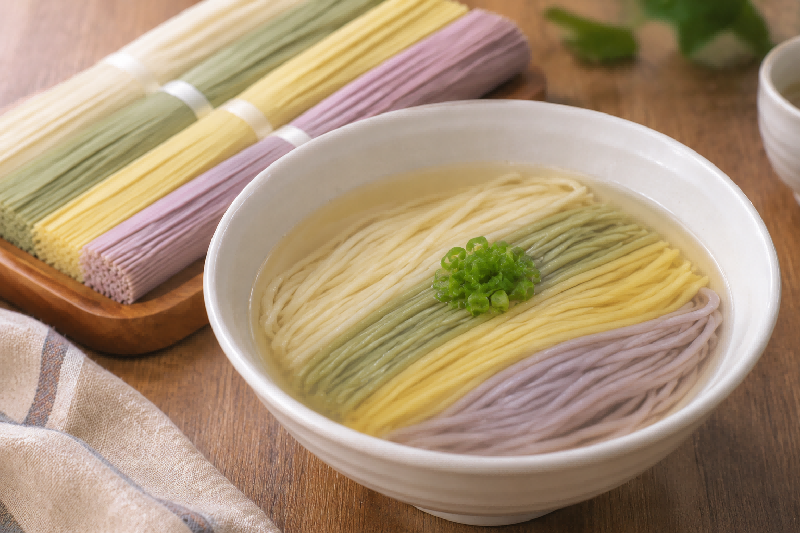
What is new is the audience. The health conscious consumers across the world now want more than just stomach fillers in the food they eat. They want elements that they can trust, benefits they can identify clearly, and the true flavor. Ramen with real spinach, yam, or buckwheat in them fits this description completely.
“Buckwheat, yam, millet, spinach, scallion, oat bran” – This is current product selection – but that is the baseline; strength lies in the R&D – if the clients wish to swap an ingredient, adjust ratio or change colour/texture – recipe can be tailored, flavour can be fine-tuned, particles and moisture contented adjusted accordingly to the cooking methods of the client.
For importers and private label brands, this is the main point. A European supermarket chain maybe need an organic oat bran noodle for its own private label. A food service supplier in Southeast Asia could require a scallion-flavored noodle that retains its shape during stir-frying. A North American distributor might search a Lunar New Year gift set that has a variety of six flavors. Each one is a different product, but they most definitely come from the same R&D process: hear the market needs, then make the noodles accordingly.
The Chinese culinary culture has been always changed and evolved by the merchants, immigrants, students, and families who traveled along with it. Now, it has changed faster than before because of e-commerce, social media, and a simple reality: more people are cooking at home and looking for something a little different. A bowl of yam or spinach noodles does not need hard selling. To the Chinese families, it is very familiar, but for others, it is like discovering something new and interesting. The color alone is enough to spark a conversation, the ingredient list keeps it going, and the taste is what makes customers return.
Contact
Beijing Shipuller Co., Ltd
Whats App: +86 13683692063
Web: https://www.yumartfood.com/
Post time: Nov-06-2026