Wasabi is one of the most delicate and temperature-sensitive ingredients in Japanese cuisine. Whether in powder, paste, or frozen form, each type has distinct shelf life characteristics and storage requirements. For food manufacturers, distributors, and restaurant chains, understanding these differences is essential to maintaining product quality and reducing waste.
This article provides a practical overview of shelf life management for three common wasabi product forms: frozen wasabi paste, wasabi powder, and wasabi paste (tube) .

Shelf Life Differences by Product Form
1. Frozen Wasabi Paste (Frozen Grated Wasabi)
Frozen wasabi paste is made from fresh wasabi rhizomes that are grated and frozen immediately to preserve their distinctive flavor and heat. Under proper frozen storage conditions (typically -18°C or below), the shelf life can reach 12 to 18 months.
However, frozen wasabi paste is highly sensitive to temperature fluctuations. Repeated freeze-thaw cycles can cause texture degradation, water separation, and a significant loss of pungency. Once thawed, it should be used within 24 to 48 hours and kept refrigerated.
2. Wasabi Powder
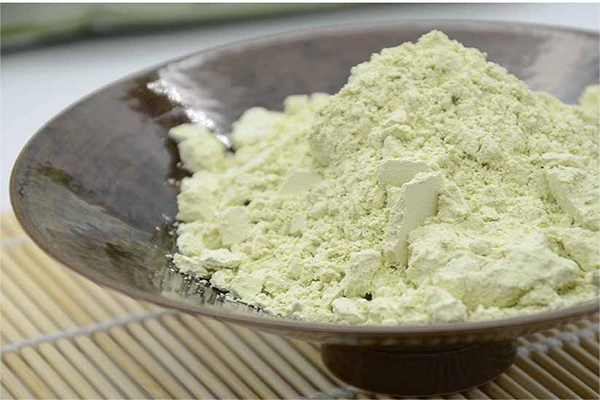
Wasabi powder is the most shelf-stable form. It is typically a blend of horseradish powder, mustard powder, and wasabi flavoring. When stored in a cool, dry place away from moisture and direct sunlight, its shelf life can reach 12 to 24 months.
The key risk for wasabi powder is moisture absorption. Once exposed to air, it can clump and lose its potency. Therefore, packaging must provide an effective moisture barrier, and containers should be tightly sealed after each use.
3. Wasabi Paste (Tube)
Tube wasabi paste is a ready-to-use product with a shelf life of 9 to 12 months when unopened. Once opened, it should be refrigerated and consumed as soon as possible.
The primary quality concern for tube wasabi is color fading and flavor loss over time. Exposure to air and light accelerates oxidation, so packaging should protect against both.
Maintaining proper temperature throughout the export process is critical for wasabi products, especially frozen wasabi paste.
For frozen products:
Use reefer containers with continuous temperature monitoring.
Set the temperature to -18°C or below for the entire journey.
Avoid temperature fluctuations during loading, transit, and unloading.
Use data loggers to record temperature history for verification.
For dry products (powder and tube paste):
Store in a cool, dry environment away from direct sunlight.
Avoid loading containers in direct sun or high-humidity conditions.
Ensure containers are well-ventilated and free from condensation.
Effective shelf life management for wasabi products requires attention to product form, temperature control, and proper storage at every stage. By understanding the differences between frozen, powdered, and tube wasabi, and by implementing strict temperature and storage protocols, exporters and buyers can ensure consistent quality and minimize losses.
At Beijing Shipuller Co., Ltd., we supply a full range of wasabi products suitable for food service, retail, and industrial applications. For samples or technical specifications, please contact our team.
Contact:
Beijing Shipuller Co., Ltd.
WhatsApp: +86 136 8369 2063
Web: https://www.yumartfood.com/
Post time: Oct-30-2026