Sushi Nori is one of the most visually distinctive ingredients in Japanese cuisine. A premium sheet of sushi nori should have a deep, vibrant green color with a natural sheen. However, not all nori looks the same. Some sheets appear bright and glossy, while others look dull, brownish, or yellowish.
For B2B buyers and food manufacturers, understanding what causes these color differences is essential for quality assessment and supplier evaluation. This article explains the key factors that influence nori color.
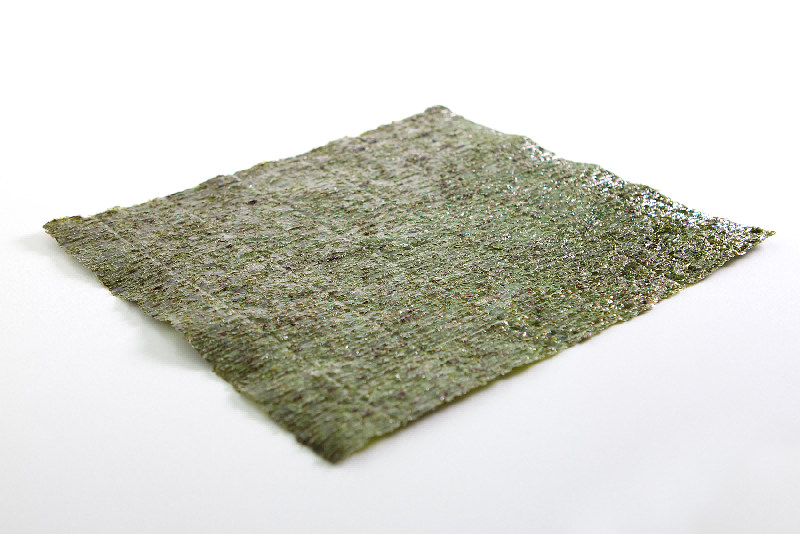
1. Raw Material Quality
The color of sushi nori begins with the raw seaweed. Several factors at the farming stage directly affect the final color:
Harvest time: The first harvest of the season (known as “first-cut” or “ichiban-nori”) typically produces the most tender sheets with dark green color. Later harvests tend to be coarser.
Growing environment: Water temperature, nutrient levels, and sunlight exposure all influence the seaweed’s pigment development. Nori grown in clean, nutrient-rich waters tends to have a deeper green color.
Species and variety: Different varieties of nori (such as Susabi nori vs. Iwashi nori) have naturally different color characteristics.
At Beijing Shipuller, we source raw nori from trusted producers who follow strict quality standards. Our factory in Jiangsu receives raw material from annual auctions and direct farm purchases, ensuring consistent color quality from the start.
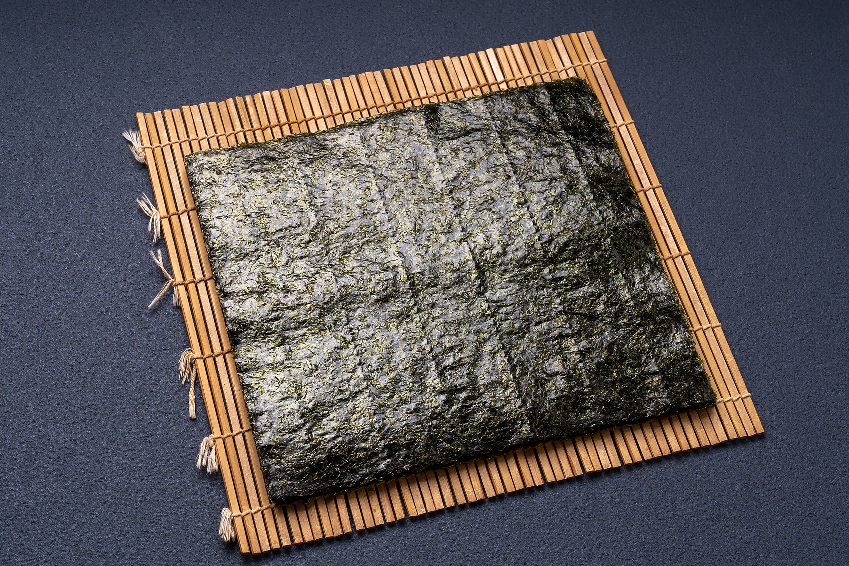
2. Processing and Roasting
The roasting process is one of the most critical steps affecting nori color.
Roasting temperature: If the temperature is too high, the nori can burn or darken. If too low, it may appear dull and under-roasted.
Roasting time: Precise timing is essential. Over-roasting leads to browning, while under-roasting leaves the nori with a raw, dull appearance.
Equipment consistency: Our fully automatic roasting lines are calibrated to maintain consistent temperature and timing across every batch, ensuring uniform color in every sheet.
After roasting, nori should have a bright green color with a natural gloss. Any deviation may indicate a processing issue or quality problem.
3. Storage and Moisture Control
Even perfectly processed nori can lose its color if stored improperly.
Moisture exposure: Sushi nori is highly hygroscopic — it absorbs moisture from the air. When moisture content rises, the nori loses its crispness and its color becomes dull and dark.
Light exposure: Prolonged exposure to light, especially sunlight, causes chlorophyll degradation, leading to fading and discoloration.
Temperature fluctuations: Heat accelerates oxidation and color loss. Nori should be stored in a cool, dry environment.
Our factory uses dedicated cold storage for raw materials and moisture-proof packaging for finished products to preserve color quality throughout the supply chain.
4. Packaging and Shelf Life
Packaging plays a vital role in maintaining nori color during storage and transport.
Moisture barrier: Multi-layer packaging with aluminum foil or high-barrier films prevents moisture from entering the package.
Oxygen absorber: Including an oxygen absorber helps slow oxidation and preserve the green color.
Sealing integrity: Any damage or incomplete seal can allow air and moisture in, causing color degradation.
We use export-grade packaging designed to protect nori from moisture, light, and oxygen during long-distance shipping.
Sushi Nori’s color is influenced by a combination of factors: raw material quality, roasting precision, storage conditions, packaging integrity, and grading standards. By controlling these variables, suppliers can deliver consistently bright, vibrant nori that meets the expectations of their customers.
At Beijing Shipuller Co., Ltd., we operate our own nori factories with automatic roasting lines and dedicated cold storage. With over 20 years of export experience, we are committed to delivering premium nori with consistent color and quality to customers worldwide.
For samples or product specifications, please contact our team.
Contact:
Beijing Shipuller Co., Ltd.
WhatsApp: +86 136 8369 2063
Web: https://www.yumartfood.com/
Post time: Oct-30-2026