In Japanese cuisine, seasoning is not just about adding flavor — it’s about creating balance, harmony, and depth. Each seasoning plays a specific role, and when used together correctly, they elevate the overall dining experience. For B2B buyers and food manufacturers, understanding this synergy is the key to delivering authentic Japanese taste to their customers.
The Logic Behind Japanese Seasoning Combinations
Japanese cuisine is built on the principle of five tastes: sweet, sour, salty, bitter, and umami. The seasoning combination is designed to achieve this balance:
1. Soy Sauce (Shoyu) — The Umami Foundation
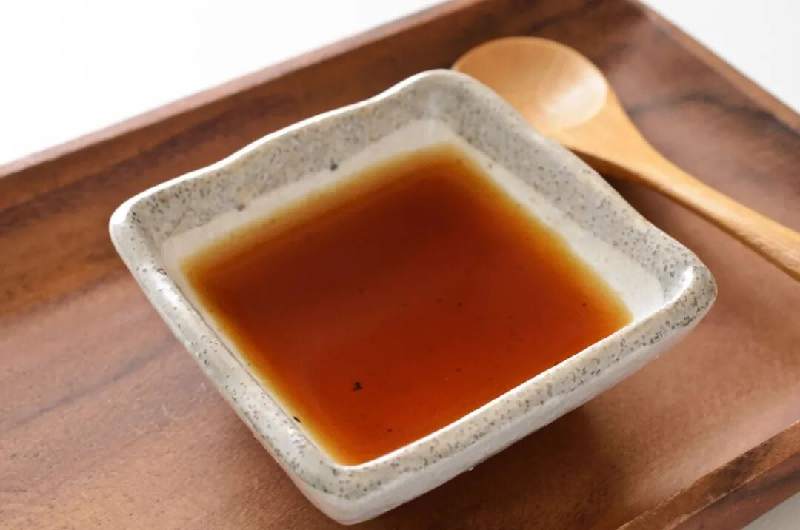
Soy sauce is the backbone of Japanese seasoning. Its salty and umami-rich profile forms the base for countless dishes, from teriyaki to dipping sauces. The two main types — light soy sauce (usukuchi) and dark soy sauce (koikuchi) — serve different purposes:
|
Type |
Color |
Flavor Profile |
Best For |
| Dark Soy Sauce | Deep brown | Rich, full-bodied, umami | Marinades, simmered dishes, teriyaki |
| Light Soy Sauce | Light amber | Delicate, saltier | Soups, light-colored dishes, dipping sauces |
2. Wasabi — The Cleanser and Balancer
Wasabi serves as more than just a condiment. Its sharp, pungent heat provides a contrast to the richness of raw fish and fatty meats. It also has natural antimicrobial properties, which historically made it a practical companion to raw seafood.
Application principle: Wasabi should be used sparingly — enough to clear the palate, not overpower the main ingredient.
3. Sauces (Oyster, Teriyaki, Ponzu, etc.) — The Flavor Layers
| Sauce Type | Flavor Profile | Key Application |
| Oyster Sauce | Rich, savory, slightly sweet | Stir-fries, glazes, marinades |
| Teriyaki Sauce | Sweet-salty, glossy | Grilled fish, chicken, beef |
| Ponzu | Citrusy, tangy, light | Dipping sauces, salad dressings |
| Chili Sauce / Sriracha | Spicy, garlicky | Spicy, garlicky Condiments, dipping, marinades |
Sauces add complexity and depth:
How They Work Together in Japanese Dishes
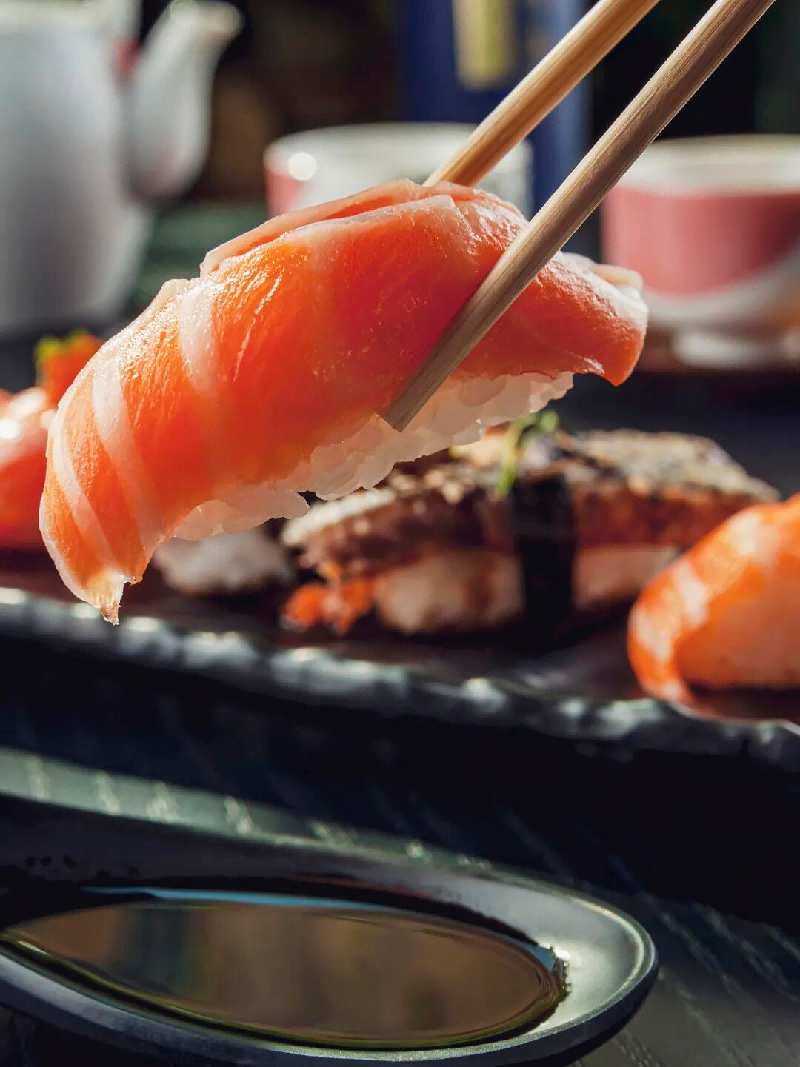
In practice, these seasonings come together in different ways depending on the dish. For sashimi, the combination is elegantly simple: a light soy sauce for dipping, paired with a small amount of fresh wasabi. The soy sauce enhances the natural umami of the raw fish, while the wasabi provides a sharp, cleansing contrast that refreshes the palate between bites.
For teriyaki dishes, dark soy sauce forms the savory foundation of the glaze, while the teriyaki sauce adds sweetness and a glossy sheen that caramelizes beautifully during cooking. The result is a balanced sweet-salty flavor that works equally well on chicken, fish, or beef.
Sushi follows a similar logic to sashimi, but with the wasabi placed directly inside the roll between the rice and the fish. This subtle integration allows the wasabi to cut through the richness of the fish without overwhelming the delicate balance of flavors, while the soy sauce is used sparingly as a dip.
Across all these applications, the underlying principle remains the same: each seasoning is chosen not to dominate, but to complement and elevate the others, creating a cohesive and harmonious taste experience. No single flavor overwhelms — instead, they work together to bring out the best in the main ingredients.
Our Supporting Capabilities as an Exporter
As a one-stop supplier of Japanese cuisine ingredients and seasonings, Beijing Shipuller Co., Ltd. offers the following value-added services:
1. Product Range Coverage
We supply a full product portfolio including:
Nori (Seaweed) – sushi nori, roasted seaweed, furikake
Breadcrumbs & Coatings – Panko, tempura flour, batter mixes
Condiments & Sauces – soy sauce, oyster sauce, wasabi, sriracha, chili sauce
Noodles & Vermicelli – ramen noodles, rice noodles, glass noodles
2. Flexible Combined Shipment
We support mixed-product container loading (LCL/FCL), allowing customers to order multiple items in one shipment, significantly reducing logistics costs.
3. Customization & Private Labeling
We offer custom formulations, packaging designs, and private labeling services to meet the needs of brands, retailers, and food service chains.
4. Export Expertise
With over 20 years of export experience covering more than 100 countries, we provide:
Full documentation support (health certificates, origin certificates, etc.)
Compliance with international food safety standards
Reliable delivery schedules with proactive communication
Customs clearance support and destination port coordination
5. Technical & R&D Support
Our R&D team works closely with clients to:
Adjust seasoning profiles to match local taste preferences
Optimize formulations for industrial processing or retail packaging
Provide technical consultation on food application and usage
Japanese cuisine seasonings are not just individual products — they are a system of flavors designed to work together in harmony. For food businesses, sourcing them from a single, reliable supplier like Beijing Shipuller offers clear advantages in cost, logistics, quality consistency, and operational efficiency.
If you are looking for a trusted partner for your Japanese cuisine ingredient supply, contact us today. We are ready to support your business with competitive pricing, flexible logistics, and professional service — one stop, one solution.
Contact:
Beijing Shipuller Co., Ltd.
WhatsApp: +86 136 8369 2063
Web: https://www.yumartfood.com/
Post time: Aug-26-2026