Walk into any coffee shop or bakery ingredient store and you’ll see matcha—prices vary wildly from high-end cans selling for $50 for 30 grams to bulk packages. But what’s the real difference? Is the “tea ceremony grade” on the label reliable?
Classification: The key lies in the purpose
There is no official standard for matcha grades—not even in Japan. They are more of a marketing classification reflecting the tea’s intended use:
Tea ceremony grade: The young buds are picked in spring, cultivated in shading for 20 to 30 days before picking, and ground into ultra-fine powder of more than 800 mesh by stone grinding. The finished product is bright emerald green in color and has a smooth, sweet and umami-rich taste with almost no bitterness. Suitable for drinking directly – brew with hot water, stir with a tea spoon, without adding anything.
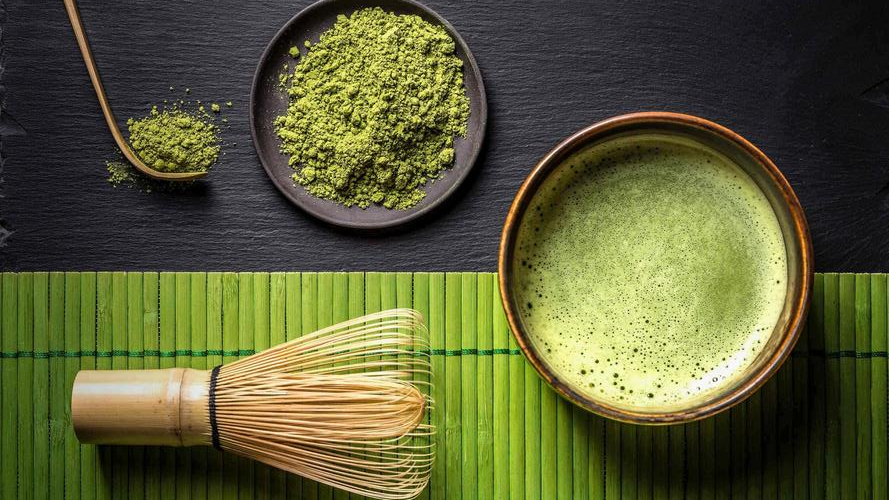
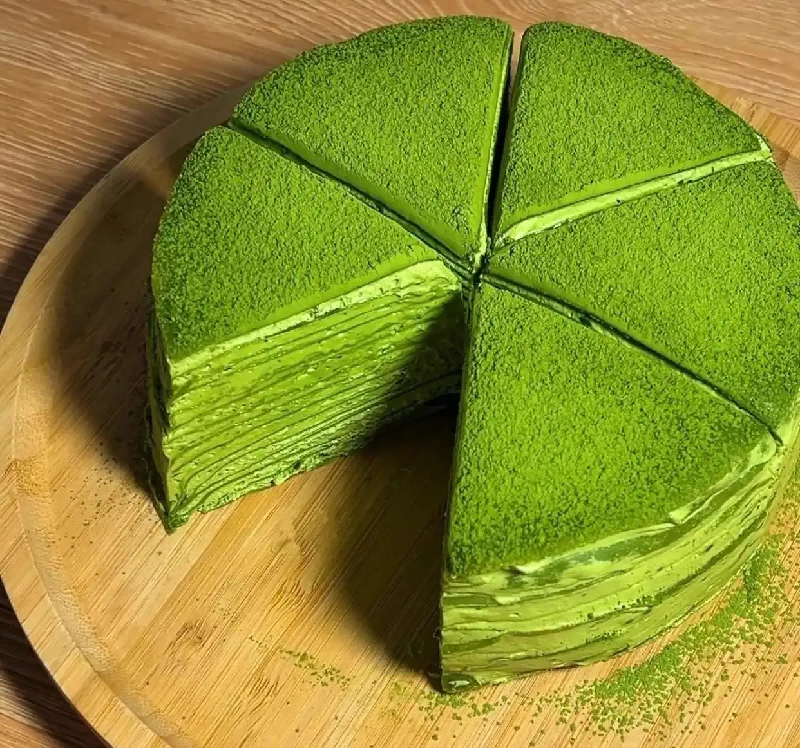
Baking grade/cooking grade: Using tea leaves picked later, the sunshine is more abundant. The flavor is stronger, more bitter, resistant to high temperatures, and the color is dark green with yellow. While the delicate flavors of the tea-grade are lost when it goes into the oven, the baking-grade can hold its own against the sugar, butter, and heat.
Boutique grade/beverage grade: between the two, the first and second picks are blended, the color and flavor are acceptable, and the price is more affordable. Suitable for matcha latte, smoothies and other daily drinks with added milk or sweetener.
Trap: “Tea Ceremony Grade” does not necessarily equal Tea Ceremony Grade quality
Because these terms have no legal definitions, any manufacturer can label them however they like—and many do:
Green tea powder passed off as matcha. Real matcha comes from tea leaves grown in shade, while green tea powder is made from tea leaves that are crushed directly under sunlight.
Low grade is packed into high grade packaging. Put roasted-grade matcha into beautiful jars and sell it as tea ceremony grade. The powder looked okay, but tasted bitter, gritty, and lacked the umami depth.
Added synthetic colors. Adding bright blue or yellow pigments makes low-grade powders look greener. It looks right, tastes wrong – and may even be unsafe.
How to distinguish authenticity
Look at the color: High-quality matcha is a bright emerald green. Yellowing, browning or dullness are not top quality products.
Touch texture: Real matcha is silky and delicate, like baby powder. Low grades are rough or grainy.
Do a water solubility test: put a small amount of matcha into water and let it sit. Real matcha suspends evenly and settles slowly. Green tea powder sinks directly to the bottom.
Smell the aroma: Good matcha has a fresh herbal aroma, similar to seaweed. The cheap ones smell like hay – or nothing at all.
Matcha is a versatile, healthful ingredient, but it’s also a market where label and content don’t always match up. Understanding levels, understanding applications, and being able to distinguish true from false is not only smart, but also necessary.
Contact:
Beijing Shipuller Co., Ltd.
WhatsApp: +86 136 8369 2063
Web: https://www.yumartfood.com/
Post time: Aug-13-2026