In a Japanese kitchen, there is a seasoning that may seem insignificant, but it is the flavor foundation of countless classic dishes. It is the Hondashi. Many people think it’s “fish-flavored monosodium glutamate” when they first see it, but after getting to know it, they will find that it’s far from being that simple.
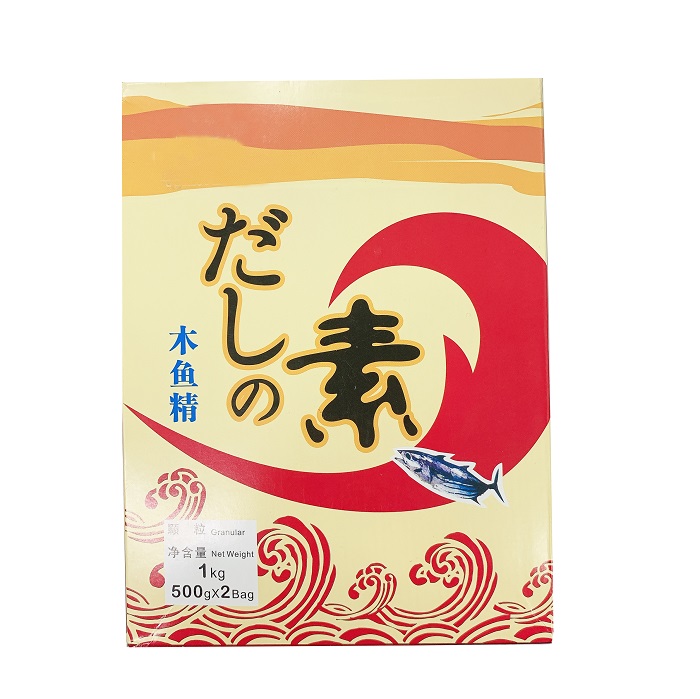
The raw material of Katsuobushi is dried bonito flakes (Katsuobushi), which is the kind of bonito flakes that are sliced thinly in Japanese cuisine and can “dance”. When making it, dried bonito flakes are boiled, filtered, concentrated and dried, and finally made into granular or powdered form. Simply put, it is the solid form of bonito stock.
A spoonful of Hondashi dissolves in hot water, and it becomes a bowl of authentic Dashi. No need to simmer fish bones or wait for time. It instantly restores that fresh and mellow Japanese flavor.
Why is it more advanced than monosodium glutamate?
Monosodium glutamate provides a single umami flavor (sodium glutamate), while the umami flavor of Hondashi comes from a combination of multiple amino acids: glutamic acid, inosinic acid, guanosinic acid… These natural flavor substances interact with each other to form a complex, smooth and layered umami flavor. After eating, the mouth remains clean and does not feel dry or astringent.
This is also why many Japanese chefs would say: The soup made with Hondashi is more mellow than that made with only monosodium glutamate.
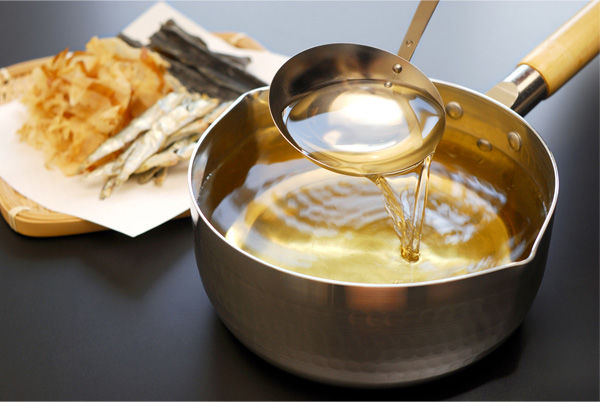
The application scenarios of Hondashi are very extensive, far beyond cooking miso soup.
Dashi stock forms the base of four popular traditional Japanese dishes: Miso soup, Udon soup, chawanmushi and Oden. This is your most traditional usage of Dashi stock. Dissolve 1 gm of our Bonito stock concentrate in 100ml hot water and you have your base stock.
The addition of a small amount of teriyaki, tempura dipping sauce, or Japanese-style salad dressing to your sauce can help to build more layers of “umami” in your food.
For Freshness in Marinades: Sprinkle Dashi on your foods while you prepare meat or fish for cooking and it will help to make the natural flavors of the food fresher.
Sprinkle and consume as powder: Some Japanese restaurants will sprinkle mackerel powder directly over grilled riceballs, fried foods, and tamagoyaki in order to impart a smoky fish flavor.
Creative Fusion Dishes: Western broths, Chinese stir-fries, and even popcorn seasoning powder are being used by some people to enhance the depth of umami.
The primary differences between the Hondashi products on the market lie in the amount of natural ingredients and purity each product has.
Pure Bonito Type uses dried bonito exclusively and does not contain any other types of fish or any other additives. Therefore, the Umami flavor is pure and it has a rather high price Ca.
Compound Type. By combining bonito flakes with extracts from other kinds of fish (e.g., mackerel, sardines, etc.), this product is more diverse in flavour while still being moderately priced.
Added type: It contains a relatively large amount of monosodium glutamate, salt, sugar and other fillers, and the umami flavor is mainly supported by monosodium glutamate. The price is the lowest, but the flavor is monotonous.
In addition, the particle size also affects the user experience. Fine powder dissolves quickly and is suitable for soup bases. Coarse granular form is convenient for sprinkling powder for decoration. It dissolves slightly more slowly but has a more distinct taste.
Who needs hondashi the most?
In Japanese restaurants, from ramen shops to izakayas, from sushi restaurants to kaiseki cuisine, Hondashi is a basic seasoning that is always available in the kitchen. It can stabilize the quality of the stock and reduce the labor and time costs of making soup.
Food processing facilities: Companies manufacturing could be such as miso, soupy dumplings, seasoning packets for udon noodles, oden soup bases, and Japanese ready-to-cook foods, require a flavour base of Hondashi for purposes of standardization and stability.
Compound Seasoning Brands: In the process of developing Japanese barbecue sauces, teriyaki sauces and salad dressings, Hondashi can provide those products with authentic Japanese
Chain restaurants/central kitchens: Whether it’s serving Japanese light meals or integrating Japanese elements into Chinese and Western cuisine, Hondashi is a tool for quickly achieving “flavor standardization”.
Home cooking enthusiast: If you want to recreate the taste of a Japanese restaurant at home, a bottle of Hondashi is much more convenient than making dried bonito flakes.
The value of Hondashi lies in its ability to transform complex traditional craftsmanship into a tool that anyone can easily use. It retains the soul of dried bonito flakes while solving the problem of time-consuming soup making. For catering practitioners, it means stable output, controllable costs and authentic flavors.
Contact:
Beijing Shipuller Co., Ltd.
WhatsApp: +86 136 8369 2063
Web: https://www.yumartfood.com/
Post time: Jun-17-2026