Nori is the most common and representative ingredient in sushi. It is usually made from high-quality nori, processed through washing, chopping, and baking. The processed nori possesses both a distinctively savory, or umami, and a crisp nature. Thanks to its unique flavor and convenient use, besides regular sushi rolls, nori is widely used in hand-rolled sushi, gunkan-maki (battleship rolls), rice balls, and other dishes, making it an important ingredient showcasing the characteristics of Japanese food culture.
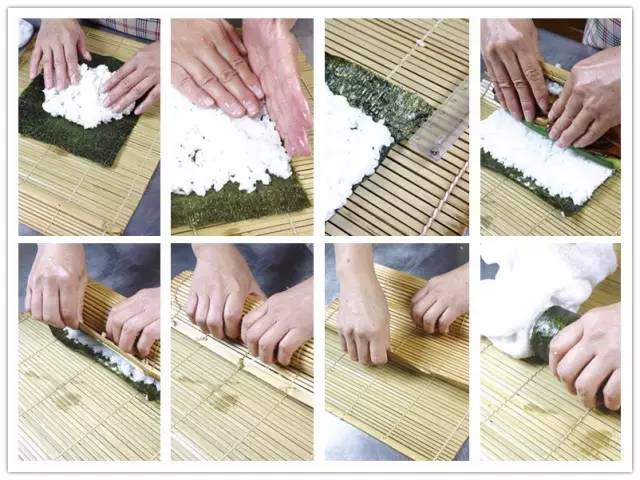
Nori: An indispensable outer ingredient for sushi
In sushi making, nori not only plays a crucial role in wrapping sushi rice and various fillings, but also helps to hold the ingredients in place, maintaining the sushi’s intact and aesthetically pleasing shape. Especially in sushi rolls and hand rolls, nori is an irreplaceable basic ingredient. At the same time, nori’s unique deep green color, fresh aroma, and distinctive texture enhance the overall visual appeal and flavor profile of the sushi, giving traditional sushi a distinctive Japanese character.
Nori brings a unique flavor to sushi
Nori, with its unique umami flavor, nori aroma, and mellow fragrance after roasting, adds richer layers of flavor to sushi. When paired with sushi rice, the umami of nori balances the rice’s mildness; when combined with ingredients such as fish and shrimp, it further enhances the natural umami of the ingredients. At the same time, the crispy or chewy texture of nori provides sushi with a richer texture experience beyond just taste.
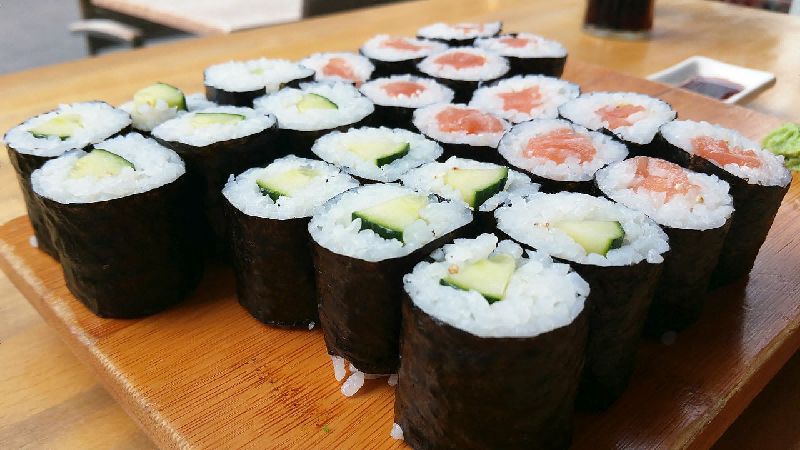
How do different types of nori affect the quality of sushi?
Different types of nori vary in color, thickness, crispness, aroma, and texture, making them suitable for different types of sushi. For example, crisper, more aromatic nori is ideal for rolled sushi and hand rolls, while softer, moderately thicker nori is better suited for wrapping rice balls or making gunkan-maki (pill rolls). When chefs choose the right nori, they can enhance the overall quality of the sushi and the dining experience.
From traditional sushi to modern creative cuisine: the wide application of nori
Besides traditional sushi, nori is widely used in Japanese cuisine such as ramen, bibimbap, and miso soup, and is gradually being incorporated into more modern and creative dishes. With its unique umami flavor and diverse processing methods, nori can not only be used to wrap ingredients, but also as a garnish, seasoning, and accompaniment, bringing richer flavors and visual effects to different dishes.
Contact
Beijing Shipuller Co., Ltd
Whats App: +86 13683692063
Web: https://www.yumartfood.com/
超链接:https://www.yumartfood.com/seaweeds/
Post time: Sep-10-2026