If you’ve ever been to an Asian supermarket and seen those pale golden strips of thing, that’s actually Bean sticks (also called bean curd skin or bean curd sticks). Bean sticks is one of the oldest staple foods in East Asia and with the boom of plant-based proteins and the rise of Asian cuisine globally, Bean sticks is slowly beginning to show up in kitchens around the world. Bean sticks is becoming a critical component of food worldwide.
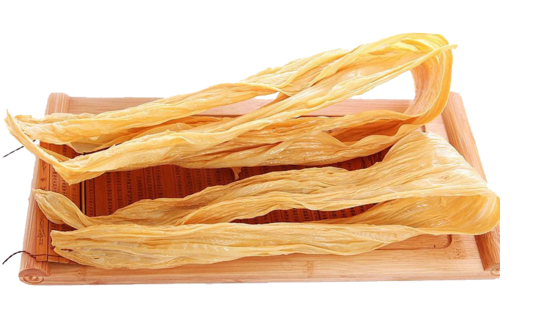
If you’ve compared different Bean sticks products, you’ve likely noticed significant price differences. Here’s why:
Soybeans are the starting point. The better the beans—think non-GMO varieties grown in regions with the right climate—the better the final product. Good beans produce Bean sticks with richer flavor and better texture. It’s that simple.
To make Bean sticks, you skim the film that forms on boiling soy milk. The first film you pull? That’s the best one. It’s got the most protein and fat, the deepest flavor, and a firm, chewy bite that holds up even after simmering for a long time. As you keep skimming, the layers get darker and thicker—but the flavor and texture drop off. First-layer products cost more, and the lower layers are cheaper for a reason: they don’t taste as good, and they don’t perform as well in the kitchen.
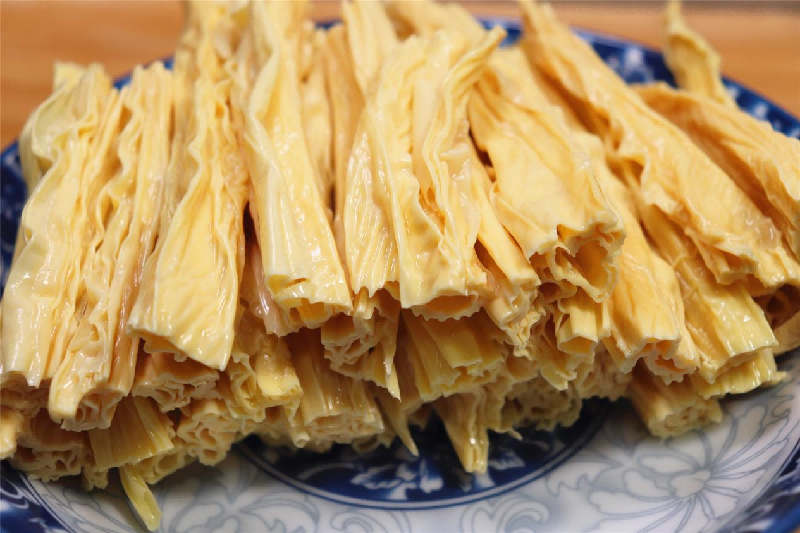
Some manufacturers add starch—potato starch, for example—to boost their yield and make the surface look glossier. Others add salt simply to add weight. But here’s the catch: starch dilutes the soybean flavor. You end up with Bean sticks that tastes weak, soaks up water and falls apart easily, and can’t handle any real cooking time. What you save in price, you lose in performance. It will have lots of solid parts and little white dots in the cross-section, and the soaking water will be more cloudy. Too much salt doesn’t just make the sticks heavier—it ruins the eating experience. The texture turns tough and rubbery, almost like chewing on something that doesn’t want to give. And instead of that rich, savory soybean taste you’re after, what you get is mostly just salt. The bean flavor gets buried, and the whole thing feels off.
Dried bean curd has come a long way. It’s no longer just a niche Asian ingredient—it’s showing up on menus and in kitchens around the world. Whether you run a restaurant and want to offer something different, produce packaged foods and need reliable plant-based proteins, or distribute ingredients and see where the market is heading, this is a product worth paying attention to. But here’s the thing: not all dried bean curd is created equal. The real question isn’t just where to buy it—it’s who you’re buying it from.
Contact:
Beijing Shipuller Co., Ltd.
WhatsApp: +86 136 8369 2063
Web: https://www.yumartfood.com/
Post time: Aug-07-2026