Seaweed printing is a technique that uses specific methods to create text or graphics on the surface of seaweed sheets. Its main purpose is to enhance the visual appeal of food, convey information, or promote a brand. Originating in Japan, this technique has gradually developed into a food decoration method that combines practicality and artistry. Main Techniques and Implementation Methods: Currently, the mainstream techniques for creating seaweed prints include:
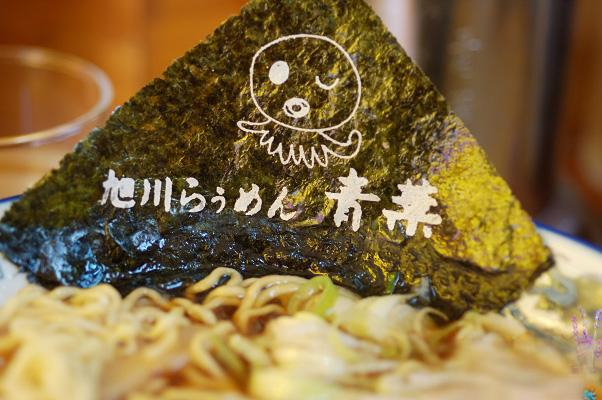
1. Laser Engraving Technology: Using lasers to precisely cut or engrave on seaweed, creating hollow or shallowly engraved patterns. This technique can produce extremely complex and exquisite patterns and is often used to create “carved seaweed” or “artistic seaweed.”
2. Printing Technology: Using edible pigments (such as white edible pigments) or ingredients (such as calcium) to directly print text, logos, or simple patterns on the surface of seaweed. This method is often used for commercial advertising or product information labeling.
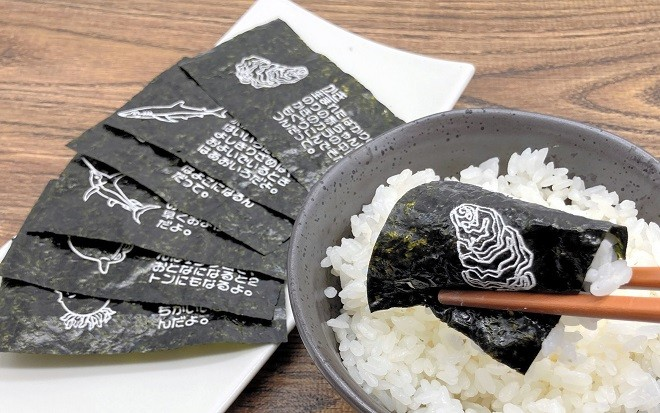
Common Pattern Types and Application Scenarios Seaweed prints can be broadly categorized into the following types based on their design purpose:
1. Commercial Logos and Promotion: Restaurants often print their names, logos, or product images on seaweed to enhance brand awareness, encouraging customers to share the brand information naturally on social media. Local specialty promotions also utilize seaweed printed with slogans as a marketing medium.
2. Artistic Decoration and Aesthetic Enhancement: Highly artistic patterns created using laser engraving technology are widely used in Japanese cuisine such as sushi and rice balls to elevate the visual appeal of the food. Common patterns include:
3. Natural Themes: Such as cherry blossoms, plum blossoms, bamboo leaves, feathers, and four-leaf clovers.
4. Seasonal and Holiday Themes: Images representing spring, summer, autumn, and winter, as well as designs appropriate for specific holidays such as New Year’s Day, Valentine’s Day, and Christmas.
5.Traditional Patterns: Classic Japanese patterns such as hemp leaves, polka dots, tortoise shell patterns, and chirping waves.
6. Fun Text and Message Transmission: Print whimsical phrases, greetings, or practical information on seaweed for specific events (such as Valentine’s Day deliveries) or as bento box decorations, adding to the dining experience.
Seaweed printing is primarily achieved through physical carving or the use of licensed edible printing materials, without altering the seaweed’s original color. This process transforms the paper-thin seaweed into a medium for creativity and culture, preserving its function as food while giving it value as a visual art form, enriching the dining experience.
Contact
Beijing Shipuller Co., Ltd
Whats App: +86 13683692063
Web: https://www.yumartfood.com/
Post time: Apr-16-2026