In Japanese cuisine where it aims at its best, the taste of the sushi is determined not by the quality of the raw fish, but by the tiny but necessary drop of soy sauce that appears to be a simple element. In the field of Japanese cuisine, soy sauce is not a seasoning, but a language. It translates the freshness of the raw fish, the sweetness of the rice, and the moisture of the seaweed.
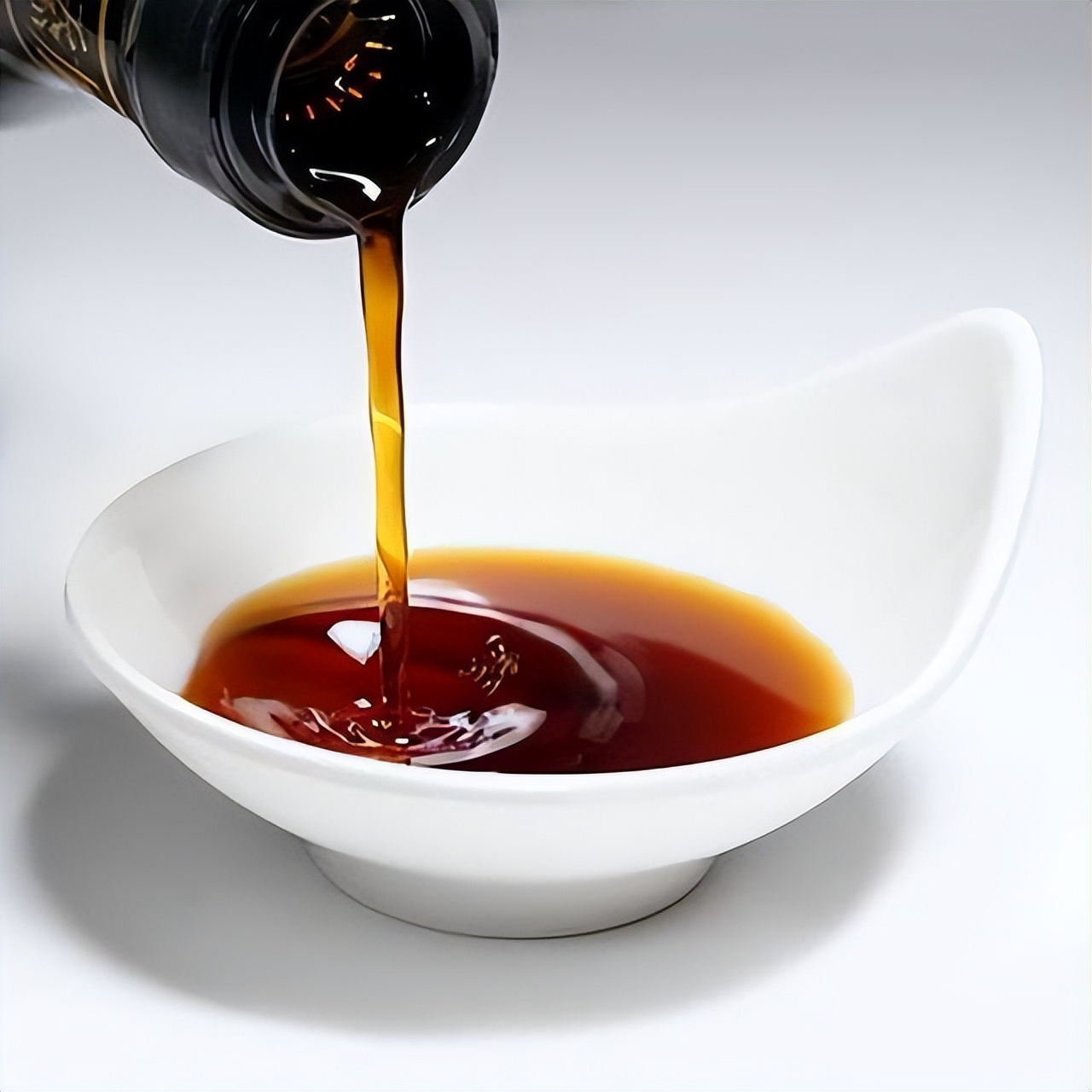
Traditional Japanese soy sauce is categorized into five principal kinds, each of which has a particular flavor function.
The dark soy sauce is dark brown in color and has a salty-umami taste which is quite balanced and is the most widely used base soy sauce. It is utilized in 90% of day-to-day applications, including simmered foods, dipping sauces, marinades, ramen broth and others. Soy sauce is the default when the recipe only refers to soy sauce.
Light Soy Sauce: Light in color, a pale amber, but with a higher salt content, it’s often used to preserve the original color of ingredients. It enhances flavor without compromising the natural color of the ingredients, making it the unsung hero behind clear broth, chawanmushi (steamed egg custard), and oden.
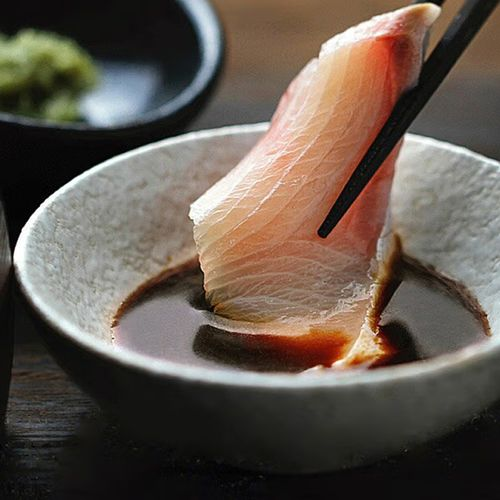
Re-fermented Soy Sauce: Made with raw soy sauce instead of brine through a second fermentation process, resulting in a deep, bright color, rich texture, and a particularly full-bodied savory flavor. It’s best used directly as a dipping sauce for sashimi, sushi, and chilled tofu. It can also be used as a flavor base in high-end sauces like eel sauce, or added in small amounts at the end of stews to instantly elevate the dish.
Roasted Soy Sauce: An almost entirely soybean formula with zero or very low wheat content, boasting the highest concentration of umami amino acids. Its thick texture and robust soybean aroma are the secret to the glossy finish of sashimi and teriyaki eel.
White Soy Sauce: The lightest in color, a pale golden hue, with a sweet and savory taste and low saltiness. Used for making broths, pickles, and dishes requiring a clear color and delicate flavor.
Leave the soy sauce to the chef, and it’s no longer just a side dish, but a key to keeping guests engaged. A reliable bottle of soy sauce is the sum of soybeans, koji mold, seasonal temperature variations, and the patience of the soy sauce maker. Shipuller bottles “time” for export, allowing overseas kitchens to replicate the freshness of the taste from Japan.
Beijing Shipuller Co., Ltd
Whats App: +86 13683692063
Web: https://www.yumartfood.com/
Post time: Jan-16-2026