The matcha will probably make a dessert taste better, but the beverage may not. Chefs and buyers should have an idea of the grades, how to use the grades and the way to identify them.
The position of matcha is dependent on the quality of the preparation of raw materials (tencha) and processing techniques that determine its flavor, color, price and primary applications.
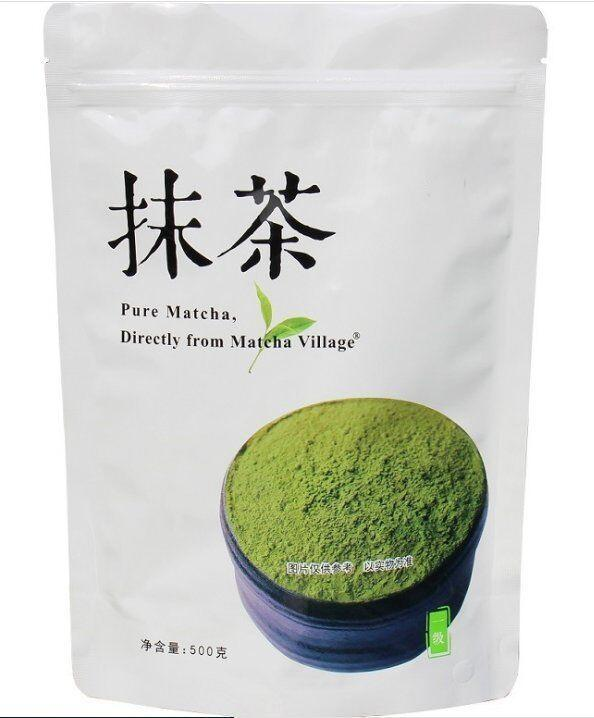
1. Ceremonial Grade
It is made from the first batch of buds. The plants are long shaded. The powder is vivid and shiny green (shaded green). The powder is very fine. It is rich and soft. The flavor of umami/sweetness is powerful, and the bitterness is mild. The scent is a refined seaweed flavor.
Core application. It is specifically meant for use in the traditional tea ceremony (whisking tea), and the product is only used by stirring it in hot water using a tea whisk. In modern high-end applications, it is used to prepare cold-brewed pure matcha, finest matcha mousse, mirror cake toppings and other products that have very high demand on flavor and color.
Target customer groups. High-end Japanese restaurants, Five-Star bakeries, Boutique-dessert shops and Ultimate Experience Presenting consumers.
The emerald green color of the tea is still strong but it may be slightly darker compared to the tea ceremony-grade tea. It has a very well balanced taste, a fresh taste and a hint of bitterness, and it has a strong scent. This is the fundamental part of a professional kitchen that provides the most excellent combination of flavor, color and cost.
Basic application: The most popularly used. It may be applied in situations where flavor can still remain after high-heat baking, e.g. various baked products (cakes, cookies, bread), handmade chocolates, ice cream, and good grade matcha lattes and creative specialty drinks.
Who buys it: Chain Bakery brands, high street coffee shops, middle to high end eateries as well as food processing plants.
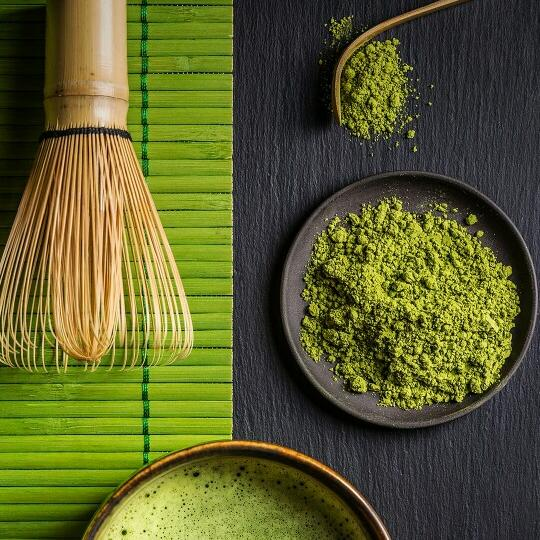
Flavor Grade/Economical Cooking Grade (Classic/Ingredient Grade).
Characteristics: The powder has an olive green color which appears yellowish green. The powder delivers strong bitter and astringent taste characteristics with a reduced amount of umami flavor. The powder indicates basic matcha flavor elements to finished products by delivering base color and flavor.
Core application: This powder works for large-scale production when finished products contains high sugar content and milk content and oil content, and colors do not require strict color standards. The powder works for mass-market biscuits and noodles and premixed powders or flavored sauces.
During the purchase process, the following simple approaches may be applied as an initial decision:
Assess the color: Place the powder on a white paper and look at it in the natural light.
Good quality: Shiny and clear emerald green, and it is very lively.
Substandard: Yellowish, dark, grayish and bland in color. Normally, this is due to the fact that the raw materials are of poor quality, oxidized or combined with other plant powders.
Scent check: Always take a small quantity in your hands, just rub it lightly and sniff it.
High quality: It’s aromatic and fresh with its smell of seaweed and tender leaves plus a little sweetness.
Smell: The product has a grassy odor, an odor of age, a burned odor, or a strong odor.
To test the taste (most reliable) : Take about half a teaspoon of dry powder and place it in your mouth, and disperse it with your tongue and upper palate.
Good quality: the surface is smooth-silky, the umami taste appears instantly, followed by a clean-sweet aftertaste, and the bitterness is weak and short.
Rough Matcha has a visible sandy or gritty texture, it tastes sharp bitter which lasts a lot of time, and may also taste earthy or off-flavored. The decision of matcha powder requires choosing the right level of flavor and cost for the planned application. The dull color and powerful bitterness of flavor-grade matcha reduce the value of expensive Japanese desserts. High temperature, high sugar baking is not the right use of tea ceremony grade matcha.
The decision of which matcha powder to use involves matching the right flavor strength and price to each purpose. When you pick flavor-grade matcha to make a costly Japanese dessert, the bad color of this matcha combined with its powerful bitterness will lead to a direct decrease in the quality of your dessert. The use of the very costly tea ceremony grade matcha in high-temperature, high-sugar baking processes leads to a total loss of its fine flavor which can never be justified.
A bottle of matcha powder is not just a green color solution, but it is a solution of flavor which determines whether the end product will be able to survive in the marketplace.
Beijing Shipuller Co., Ltd
Whats App: +86 13683692063
Web: https://www.yumartfood.com/
Post time: Jan-16-2026