Miso is a condiment popular in Japan for its nutritious properties and unique flavor. Originally originating in China or western Thailand, Miso is similar to other soybean pastes, such as bean paste, kinako, and fermented black beans, made by growing beans through mold. It is said to have been introduced to Japan by the Tang Dynasty monk Xuanzang, though some believe it arrived via the Korean Peninsula. Its origins can be traced back to unfermented soybean paste (jang) introduced from China during the Nara period (710-794 AD). During the Kamakura period (1185-1333 AD), as the dietary philosophy of “one soup, one vegetable” became popular in Zen temples, “jjigae,” made by dissolving Miso in water and boiling it, became a vital source of nutrition for ascetics and gradually spread to the general public. During the Warring States period, Miso served as a portable and storable source of protein, sustaining samurai on the march. During the Edo period, Miso brewing flourished, and Miso soup finally became commonplace, becoming an essential part of the Japanese diet.
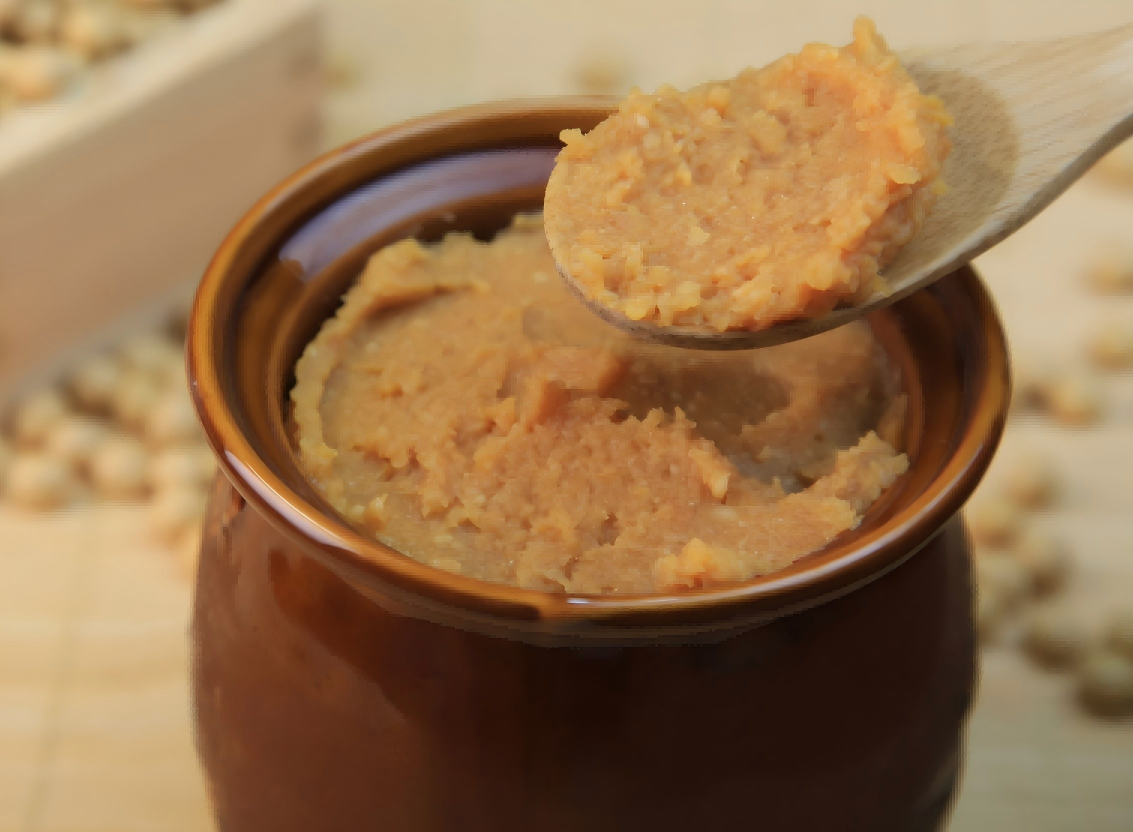
The soul of Miso soup lies, without a doubt, in its “Miso.” This traditional condiment, made from soybeans, salt, and rice or barley koji, fermented for months or even years, is like Chinese soy sauce or French cheese, imbued with rich regional characteristics.
Miso soup preparation may seem simple, but it actually holds a profound secret. The most crucial step is to never overcook the Miso. First, simmer the stock in the dashi until softened. Then remove from the heat or reduce to a low simmer. Add the Miso to a ladle and slowly dissolve it in the pot. Once evenly dissolved, remove from the pot immediately to avoid boiling. This maximizes the Miso’s rich aroma, beneficial bacteria, and delicate flavor, ensuring every bite is vibrant and full of life.
The umami (amino acids) and sweetness (sugars) produced by enzymatic breakdown of soybeans, rice, and barley, combined with the saltiness added during production, complement the aroma, acids, esters, and alcohols produced by fermentation with yeast and lactic acid bacteria, giving Miso a richer flavor and aroma, and stimulating your appetite. In Japan, Miso is primarily consumed in Miso soup. It can also be added to steamed fish, meat, or vegetables as a seasoning, along with Miso, sugar, vinegar, and other ingredients, to enhance the flavor of the dish. Regular consumption is beneficial for health. Miso is rich in protein, fat, and carbohydrates, as well as nutrients such as iron, calcium, zinc, vitamins B1 and B2, and niacin. It’s said that the longevity of the Japanese is linked to their regular consumption of Miso.
Miso soup has long transcended mere food. It’s a symbol of family warmth in Japan, a reminder of the busy mother in the early mornings of “Chibi Maruko-chan.” It’s also the starting point of Japanese hospitality and plays a crucial role in kaiseki cuisine, serving as a refreshing and connecting ingredient.
Don’t think Miso is limited to soup; it’s incredibly versatile, including pickling and dipping sauces! Let’s explore the diverse dishes that Miso can transform into.
Miso Butter Chicken
This delicious dish uses Miso and butter to lock in the umami flavor of chicken. Using white Miso creates a smooth texture, while using red Miso allows the Miso flavor to shine through.
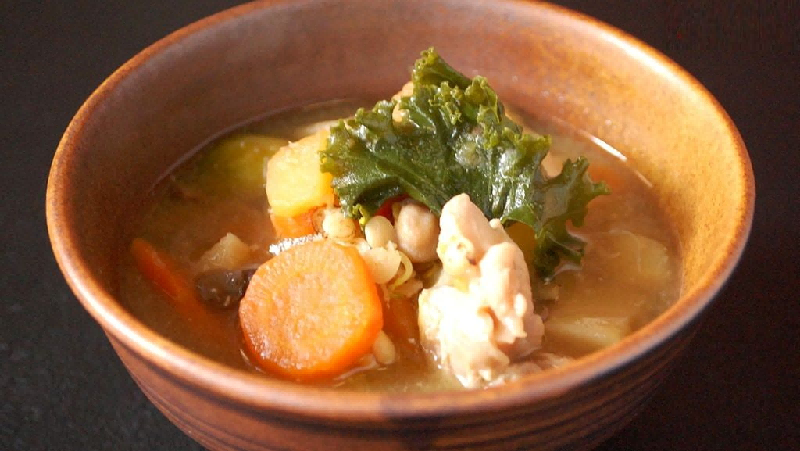
Mixed Chicken and Vegetable Miso Soup
During the cold winter months, add plenty of root vegetables like potatoes and carrots to your Miso soup to warm you from the inside out. It’s easy to make: simply add your preferred Miso to a broth made with kelp or dried bonito flakes. For a flavorful addition, lightly sauté the chicken and vegetables in sesame oil beforehand.
Miso-Simmered Mackerel
Sprinkle salt on the mackerel to remove the fishy smell. Then, add ginger, Miso, soy sauce, and mirin (sweet sake) and simmer for 10 minutes. You can eat it right after cooking, but letting it sit for about an hour allows the sweet and savory flavors to penetrate the fish, making the dish even more delicious. Reheat and serve with green onions.
Miso Ramen
Mix chopped garlic, roasted white sesame seeds, sesame oil, sugar, sake, and Worcestershire sauce with Miso and heat to make the Miso paste. Stir-fry thinly sliced pork, cabbage, red bell pepper, and ginger in a frying pan and season with salt and black pepper. Toss the noodles in chicken bone broth and add the toppings and Miso paste before serving.
Our Miso paste, crafted with centuries of Japanese craftsmanship, uses premium soybeans and rice koji, then naturally ferments to create a rich, complex flavor. Whether it’s the delicious dashi of kelp and bonito flakes, or the classic combination of tofu and mushrooms in a broth, you can easily recreate that heartwarming taste of tradition. Authentic flavors are within your reach. Come and get yours!
Contact:
Beijing Shipuller Co., Ltd.
WhatsApp: +86 136 8369 2063
Web: https://www.yumartfood.com/
Post time: Dec-31-2025