Known more commonly in Japan as nihonshu, sake comes in a range of flavor profiles and proofs and can be enjoyed hot, cold or at room temperature. Since sake is so important to the nation, a rich set of customs surround its consumption and production. It’s easy to enjoy drinking sake, but choosing and ordering can be daunting for first-timers. Exploring the wide variety of this Japanese rice wine should be fun, not scary. To ease some of that anxiety, this guide breaks down the basics of the national drink.
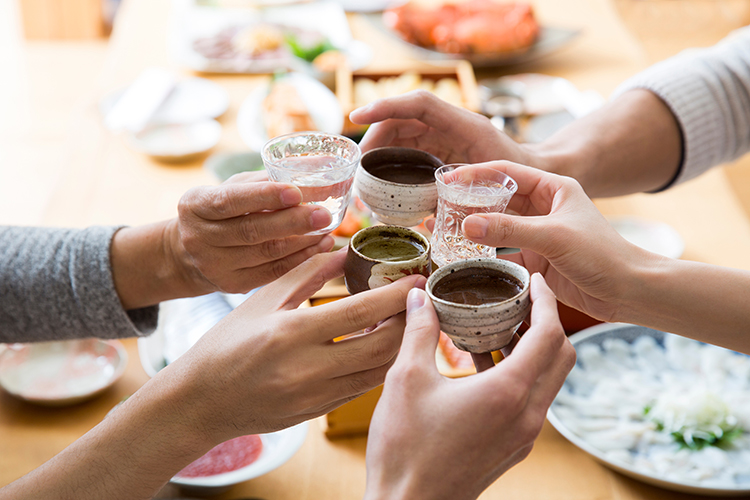
Sake can be enjoyed anywhere in Japan. Sake is a favorite tipple everywhere from bars to high-end restaurants. Most places that serve alcohol in Japan will have some basic sake options. For enthusiasts or those looking to branch out, there are many specialty sake bars and izakaya around the country with a particularly wide stock and knowledgeable staff.
Sake can be served chilled, warmed or at room temperature. Some types, like ginjo, are preferred cool, while junmai is often enjoyed at room temperature or warmed. Each individual sake has its own temperature that best brings out the flavors, and personal preference is extremely important as well.
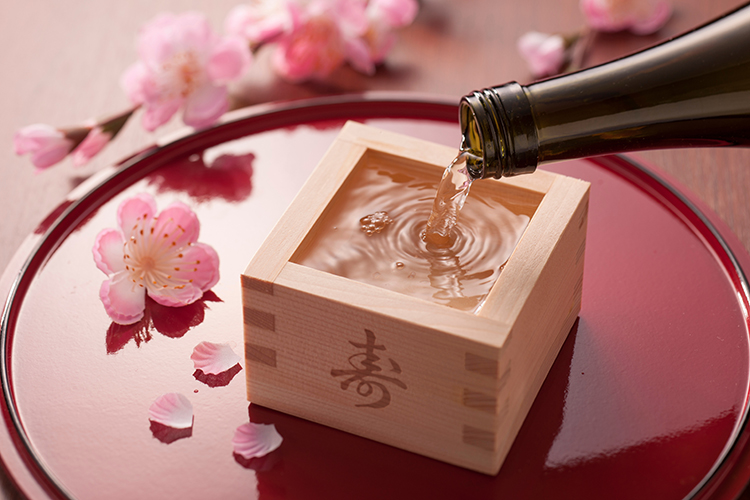
A traditional sake set consists of a serving carafe called tokkuri and smaller personal cups called ochoko. Sometimes a small glass is placed inside a box, or masu. In some places, the sake will be poured until it overflows into the masu.
Since masu were the main sake vessels in the past, most are sized to one standard serving of 180 ml, called go. At many bars and restaurants, you will be expected to order sake by number of go. Ichi-go and ni-go are one and two servings, respectively. Standard sake bottles are 720 ml, and are known as yongobin.
Most sake is around 15 percent alcohol, higher proof than most other fermented drinks like beer or wine but lower than most distilled spirits. Almost all sake is brewed to about 20 percent and watered down before bottling.
Genshu refers to sake that has not been diluted and therefore has an alcohol content of about 20 percent and a bolder flavor. On the other end, lower-alcohol sake is gaining in popularity. Of these, sparkling sake is particularly trendy. Reminiscent of sparkling wine, sparkling sake is fun and easy to drink, especially for novices.
In formal situations, there is strict sake etiquette. The most important rules are never to refill your own cup and to ensure every cup on the table remains filled.
When pouring for a superior, hold the tokkuri with your right hand while touching the bottom with your left. When receiving sake from a superior, place one hand under the cup and hold the side with your other. It is acceptable for the superior to use only one hand while pouring and receiving. After receiving the sake, take at least one sip before placing it down on the table.
In casual situations, the rules are not nearly as rigid. However, it’s always polite to pour for others, whether you’re drinking sake, beer or tea.
Contact
Beijing Shipuller Co., Ltd
Whats App: +86 13683692063
Web: https://www.yumartfood.com/
Post time: Dec-03-2025