When people think of nori, sushi rolls are usually the first thing that comes to mind. However, in authentic Japanese cuisine, this thin, crispy ingredient from the sea is used far beyond that. From soups to noodles, from rice bowls to chazuke, nori appears in various forms across Japanese dishes, adding unique oceanic flavor and textural layers.
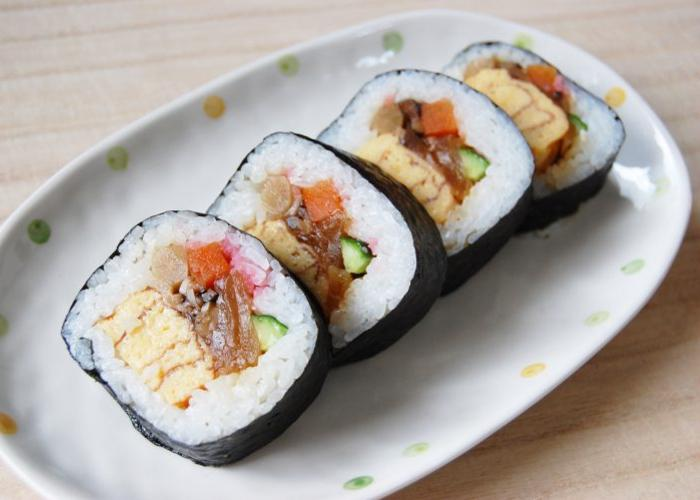
1. Three Sushi Styles: Hand Rolls, Gunkan, and Thin Rolls
Even within sushi, different styles have different requirements for nori.
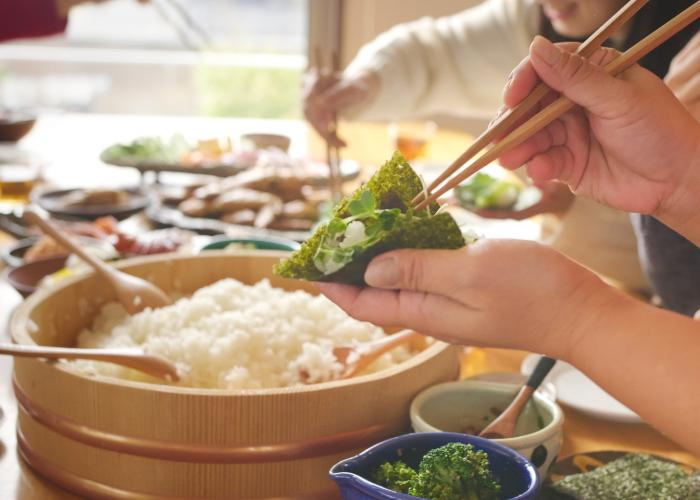
Temaki (Hand Rolls) are cone-shaped, with nori wrapped around the outside and held directly in the hand. This requires nori to have good tensile strength — it must not tear easily when wrapping rice and fillings, while still offering amoderate crispness when bitten into.
Gunkan-maki (Battleship Rolls) are designed to hold loose toppings like salmon roe or sea urchin. The nori wraps around the rice to form a “wall.” Because the toppings are high in moisture, gunkan rolls demand nori with excellent moisture resistance — too thin and it becomes soggy; too thick and it affects the texture.
Hoso-maki (Thin Rolls) use the least amount of nori, typically wrapping just one filling (like cucumber strips). Due to their small size and quick consumption, nori here mainly functions as a “shaper” and “flavor enhancer.”
Different forms correspond to different nori specifications, which explains why professional sushi restaurants select specific nori grades based on their menu offerings.
2. Crumbled Nori in Chirashi (Seafood Rice Bowl)
Chirashi, also known as seafood rice bowl, is a dish where fresh sashimi is arranged over vinegared rice. Here, nori typically appears in crumbled form.
Chefs tear roasted nori into fingernail-sized pieces and scatter them evenly between the sashimi and rice. This serves a dual purpose: first, the porous structure of nori absorbs excess moisture, preventing the sashimi juices from soaking the rice; second, the umami of nori layers with the natural savory taste of the seafood, creating a more complex flavor profile.
3. Nori’s Umami-Boosting Role in Miso Soup
Miso soup is a staple on the Japanese dining table, and nori is one of its secret umami sources.
Just before serving, chefs sprinkle a handful of shredded nori or nori strips into the soup. The high temperature instantly activates the glutamate in nori, releasing its umami compounds to create a “umami trio” alongside the fermented richness of miso and the fishy savoriness of katsuobushi (bonito flakes).
It’s worth noting that nori should not be cooked for too long — overcooked nori loses its umami and can even develop a fishy taste. Therefore, the ideal timing is to add nori in the last 30 seconds before turning off the heat, or directly into the serving bowl, allowing the soup’s temperature to awaken its aroma.
4. Nori as a Garnish for Udon and Soba Noodles
Whether it’s hot soup udon or cold zaru soba, nori is a common finishing touch.
In hot udon, shredded nori is usually sprinkled on top of the soup, both as decoration and to infuse the mild broth with a subtle oceanic note. As noodles are lifted, some nori clings to them, offering a contrast between crispy and soft textures with each bite.
For cold soba, nori is used more delicately. Chefs may crumble roasted nori and mix it into the dipping sauce (tsuyu), or scatter it directly beside the arranged noodles. Diners pick up a few nori pieces along with the noodles, lightly dip them in the sauce, and enjoy the harmonious contrast between the crisp nori and the chewy soba.
5. Nori in Japanese Chazuke (Tea Soaked Rice)
Chazuke (お茶漬け) is a classic Japanese “finishing dish,” where hot tea or broth is poured over rice and topped with various accompaniments. Nori is an indispensable supporting player here.
The typical preparation involves tearing roasted nori into thin strips and placing them on rice alongside pickled plum (umeboshi), wasabi, and salted salmon flakes (sake furikake). Then, sencha tea or kombu broth is gently poured over. The nori softens quickly in the hot liquid, releasing its mild marine flavor and creating a balanced harmony with the tea’s gentle bitterness and the rice’s natural sweetness.
From a “wrapper” that holds ingredients together, to a “supporting actor” that enhances flavor and aroma, to a “leading role” in its own right — nori’s roles in Japanese cuisine are far richer than we might imagine. Understanding these hidden uses not only helps you choose the right nori products but also sparks new inspiration for menu development. Whether you’re a foodservice buyer, a food manufacturer, or simply a Japanese cuisine enthusiast, this humble sheet of seaweed deserves a second look.
Contact:
Beijing Shipuller Co., Ltd.
WhatsApp: +86 136 8369 2063
Web: https://www.yumartfood.com/
Post time: Apr-08-2026