6 Sweet Bean Sauce
Sweet bean sauce, as the name suggests, has a salty-sweet flavor. It’s made primarily from fermented wheat flour, resulting in a mellow aroma and delicate texture.
When eating Peking duck, besides the duck meat and cucumber strips in the thin pancakes, sweet bean sauce is indispensable for enhancing the flavor and aroma. Shredded pork with sweet bean sauce is its signature dish.
To make shredded pork with sweet bean sauce, cut pork tenderloin into thin strips, marinate with egg white, cooking wine, and cornstarch, and stir-fry until it changes color.
Leave some oil in the pan, add an appropriate amount of sweet bean sauce, a little sugar, and water, and simmer over low heat until the sauce is fragrant and glossy.
Then, return the stir-fried pork strips to the pan and quickly stir-fry to coat each strip evenly with the sauce. To eat, use tofu skin (thousand-layer tofu sheets) or thin pancakes, add the pork strips, scallions, and cucumber strips, and roll them up.
The shredded pork is perfectly balanced between salty and sweet, with a rich, savory sauce. The spiciness of the scallions and the refreshing taste of the cucumber create a complex flavor profile.
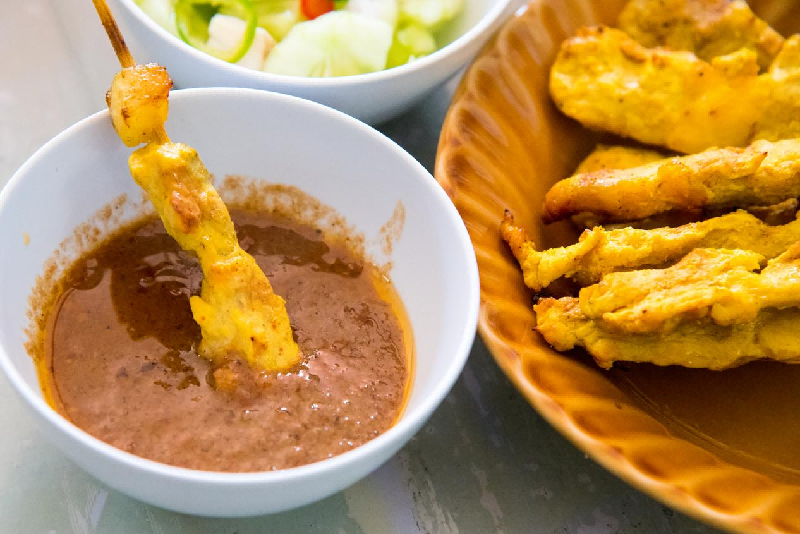
7. Satay Sauce
In the Lingnan region, satay sauce has a large and loyal following.
It’s a complex sauce that may contain dried shrimp, dried fish, peanuts, garlic, and various spices, resulting in a rich and layered flavor profile of salty, savory, sweet, and spicy.
In Chaoshan beef hot pot, the beef is first cooked in plain water to bring out its natural freshness. Dipping it in satay sauce instantly elevates its deliciousness to a new level.
When eating Chaoshan beef hot pot, the beef is freshly cut according to different cuts: chuck, tenderloin, and shank… each with a different texture. The cooking time ranges from a few seconds to over ten seconds, emphasizing tenderness.
Satay sauce is the absolute star of the dipping sauce. Typically, it’s topped with fried garlic, cilantro, crushed peanuts, chili rings, and a drizzle of sesame oil, according to personal preference.
The cooked beef, after a quick dip in the sauce, releases layers of salty, savory, sweet, and fragrant flavors, enhancing both the beef’s natural freshness and the overall taste experience.
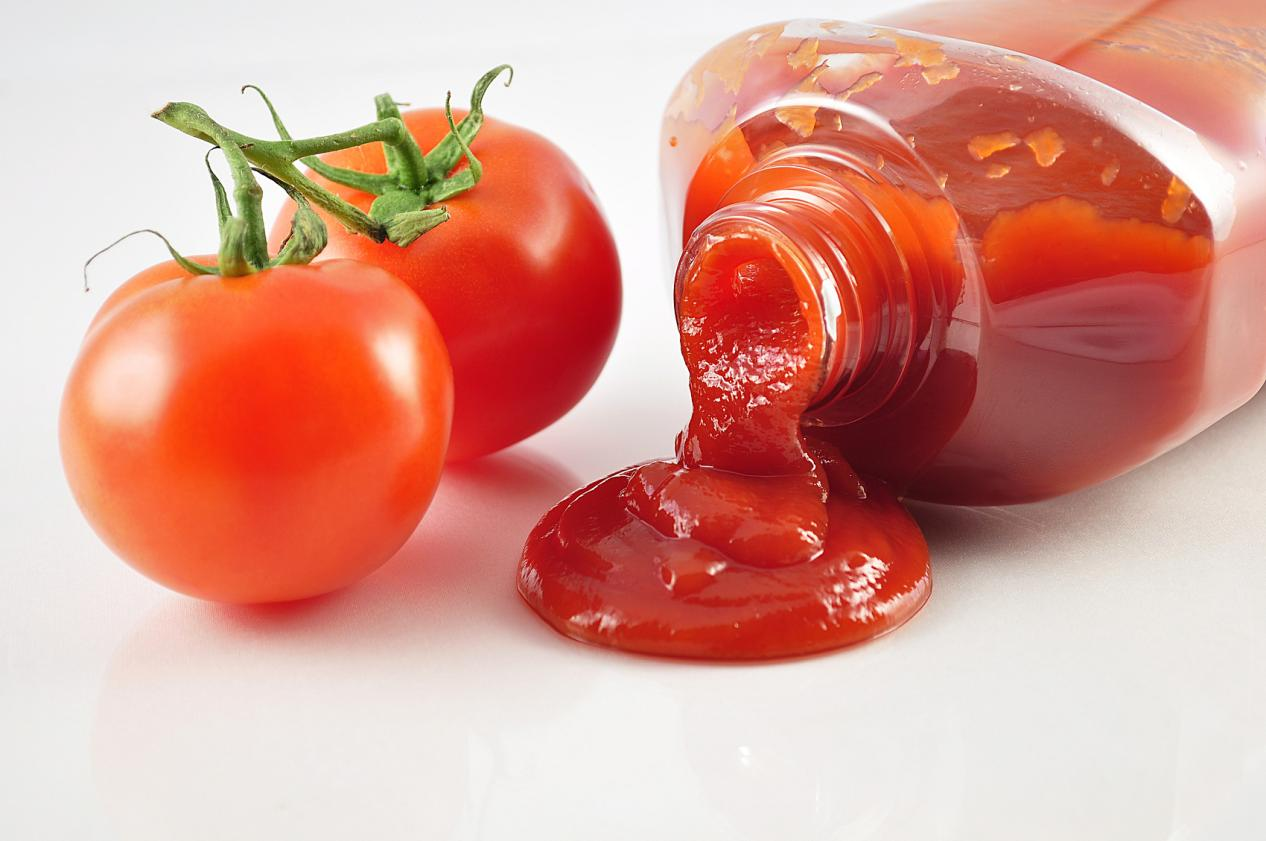
8. Tomato Sauce
Tomato sauce, though an imported ingredient, has found a unique place in Chinese cuisine.
It boasts a vibrant color and a delightful sweet and sour taste. In Chinese cooking, it’s often used to add a bright, sweet and sour flavor and a rich red color to dishes. For example, in sweet and sour pork, the enticing bright red color and classic sweet and sour balance owe a key role to tomato sauce.
To make sweet and sour pork, it should be crispy on the outside and tender on the inside, with a glossy and flavorful sauce.
The key to making sweet and sour pork is preparing the sweet and sour sauce. Heat oil in a wok, add a little oil, sauté minced garlic until fragrant, then add tomato sauce, sugar, white vinegar, and a pinch of salt. Add a little water and simmer until the sauce thickens and bubbles.
Add the fried pork tenderloin strips and stir-fry quickly to coat each strip with the sauce. Sprinkle with toasted white sesame seeds and it’s ready to serve. The result is a crispy, sweet and sour exterior while the meat inside remains tender.
9 Watermelon Sauce
Watermelon sauce, mainly popular in Shandong and other regions, is made by fermenting soybean paste with watermelon pulp, ginger, and Sichuan peppercorns.
The natural sweetness of the watermelon permeates the sauce, creating a unique flavor that is savory with a hint of sweetness and fruity aroma. In summer, it’s refreshing and appetizing when eaten with freshly steamed buns.
Watermelon sauce is usually made in the height of summer. First, boil soybeans, coat them with flour to ferment and develop mycelium. Then, mix them evenly with diced watermelon pulp, ginger, Sichuan peppercorns, and salt. Place the mixture in a clean jar and sun-dry it to ferment.
It needs to be stirred daily and fermented for over a month. When eating, scoop out a small bowl, add a few drops of sesame oil, and pair it with soft, hot steamed buns. The savory flavor, with a hint of watermelon sweetness and fragrance, is incredibly refreshing and appetizing—a summer side dish brimming with rural wisdom.
10. Fermented Chili Sauce
Finally, there’s Guizhou’s fermented chili sauce, which brings a unique sour and spicy flavor.
It’s not simply chili flakes; it’s made by chopping fresh red chilies, young ginger, garlic, etc., together, adding salt and wine, and fermenting in a jar.
Its characteristics are sour, spicy, and savory, with a unique lactic acid fermentation flavor that’s extremely appetizing. In Guizhou, it’s commonly used in stir-fries and dipping sauces. Using fermented chili sauce to stir-fry meat slices fully brings out the meat’s umami flavor, greatly stimulating the appetite.
The stir-fried meat slices are tender and smooth, with the unique sour, spicy, and fermented aroma of fermented chili, making it very appetizing and a representative of Guizhou home cooking.
Conclusion
These ten sauces are just some of the star representatives in China’s vast sauce kingdom. Born from different terroirs, these ingredients, with their unique flavors, quietly shape the character and charm of various regional cuisines.
Celia
Beijing Shipuller Co., Ltd
WhatsApp: +86 136 8369 2063
Web: https://www.yumartfood.com/
Post time: Mar-25-2026